
Christine Zufferey · Body · Movement · Awareness
Alexander Technique
Between Posture and Awareness
The Alexander Technique is an educational approach that invites us to observe how we use our bodies in everyday activities. It was developed by Frederick Matthias Alexander, an actor who sought to understand and overcome his own vocal difficulties.
Over time, our habits, reactions to stress and repeated efforts can create patterns of tension that we are not always aware of. The Alexander Technique helps us recognise these patterns and discover other possibilities for movement and action.
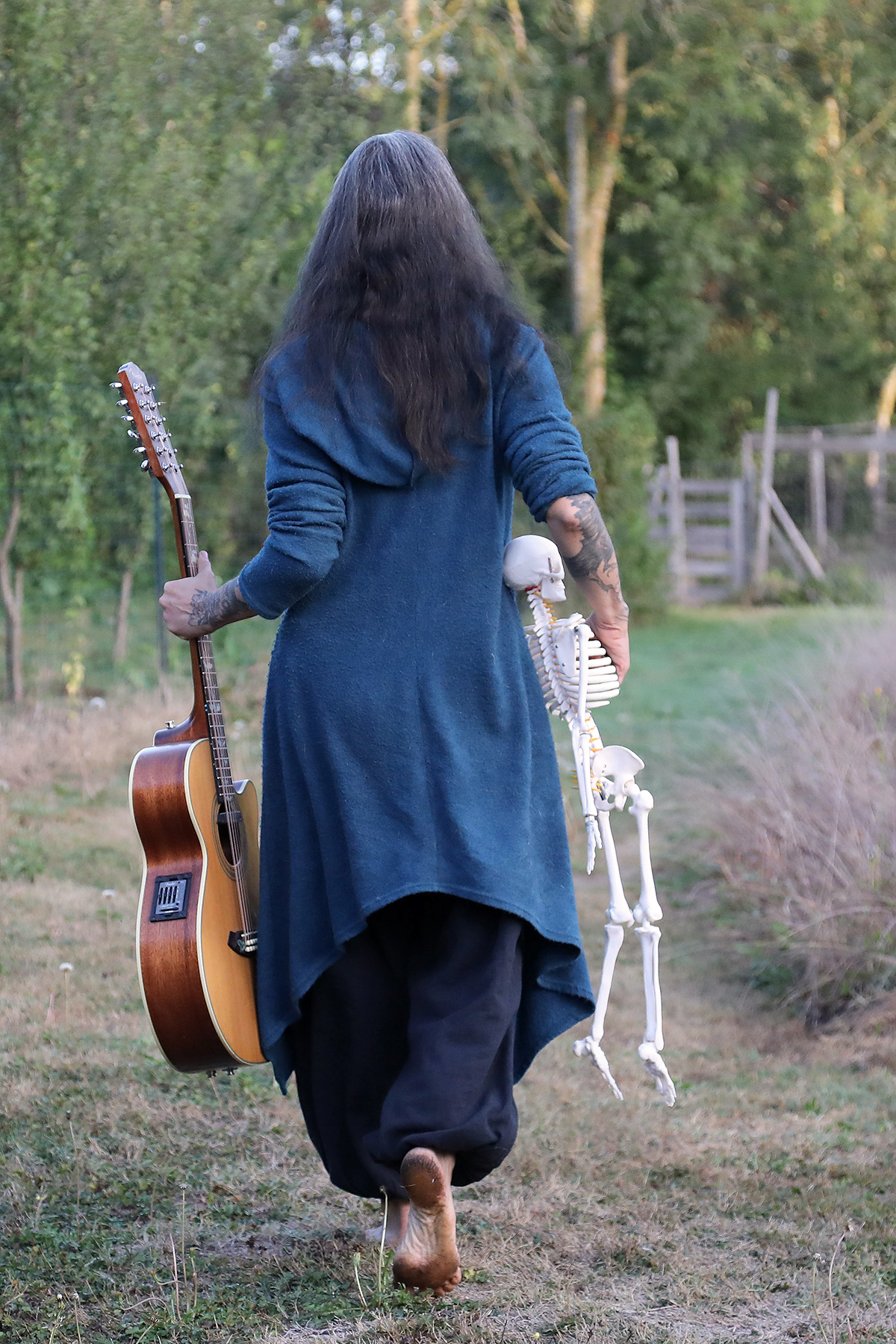
01 · Awareness
Learning to Observe
Through observation, verbal guidance and gentle hands-on guidance, we learn to pay attention to our coordination, our support and balance, and the relationship between the head, neck and back.
The aim is not to correct our posture by forcing ourselves to stand straight, or to adopt an ideal shape. Rather, it is about recognising unnecessary effort and allowing greater freedom and balance in the way we move and function.
02 · Everyday life
Everyday Life and Artistic Practice
The Alexander Technique can be applied to many everyday activities: walking, sitting, working at a screen, speaking, singing or playing an instrument.
For musicians and people who use their voices, it offers an opportunity to observe the habits that influence movement, breathing, attention and presence.
By learning to recognise our habitual reactions, we can gradually discover other choices and respond with greater ease, awareness and confidence.
03 · An educational practice
The Alexander Technique is neither therapy nor a method of postural correction. It is a learning process developed through experience and observation.
It is an invitation to develop a more conscious connection between the body, movement and the way we are present in the world.
Individual sessions and workshops in the Niort area. Please feel free to get in touch for further information.